The tax authorities are proposing that criteria for business splitting be enshrined in law. In my view, this is a bad idea.
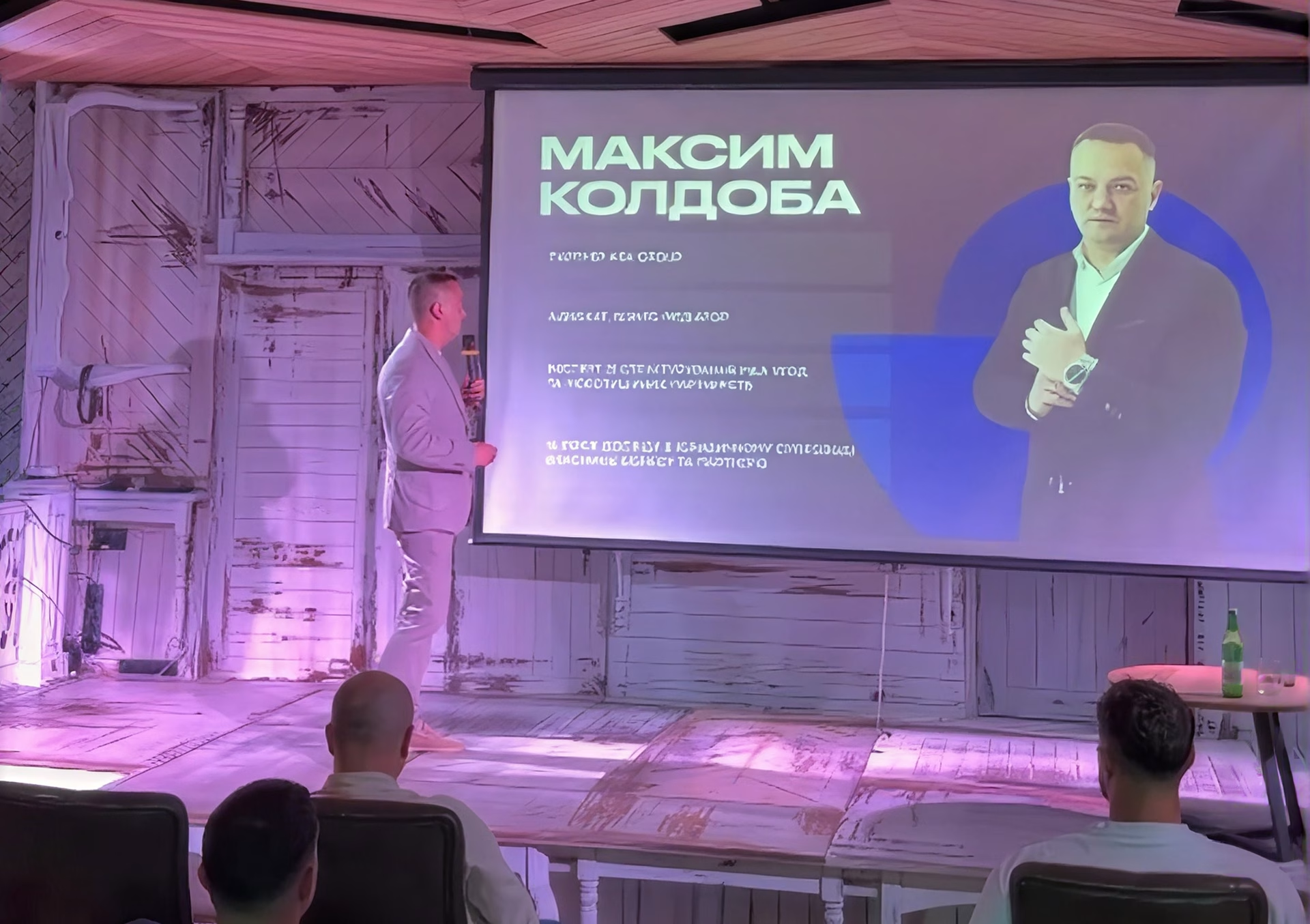
On 23 June, the URB Conference “De-Shadowing: New Trends 2026” took place.
The most interesting point for me came from the tax authorities:
“We do not have sufficient legislative mechanisms to combat business splitting.”
That is why the State Tax Service supports the idea of codifying business-splitting criteria in law.
And this is where I have a question.
It seems logical to give the State Tax Service the ability to treat a group of sole proprietors as a single business and audit it as a whole.
But why write the actual business-splitting criteria into the law?
A similar discussion could once have arisen around sham transactions where no actual supply takes place. There are also certain criteria and indicators in that area, but no one has tried to transfer them into legislation.
The tax authority forms its position, prepares an audit report and issues a tax assessment notice. If the business disagrees, it goes to court. The court then determines whether a violation actually occurred.
In my view, this is a more viable model.
I would go further: if business-splitting criteria are fixed in detail in legislation, the approaches used to work around them will adapt faster than the Verkhovna Rada can amend the law.
More broadly, I do not think it is a good idea to substitute the quality of evidence with new legislative constructs. To prove “evasion”, there is no need to set out in legislation every possible method of evasion and the criteria for each such method.
There is one more important point.
The fact that individual representatives of the tax authorities say there are insufficient legislative mechanisms does not mean that the issue of business splitting is currently on hold.
The State Tax Service has already reported the results of audits of such schemes, is preparing analytical findings and is referring materials to the Economic Security Bureau of Ukraine, which has a much broader toolkit.
Looking at the issue more broadly, the largest area of shadow activity is not business splitting, VAT, smuggling or offshore structures. The biggest shadow-economy issue is employment.
Thank you to URB for providing a platform for open discussion. Conversations like these make it possible to better understand where public policy is heading and which approaches to control and de-shadowing may become the trend in the near future.
READ OTHER NEWS
Insights from Ihor Mlechko on corporate structuring, tax security, and dispute resolution.