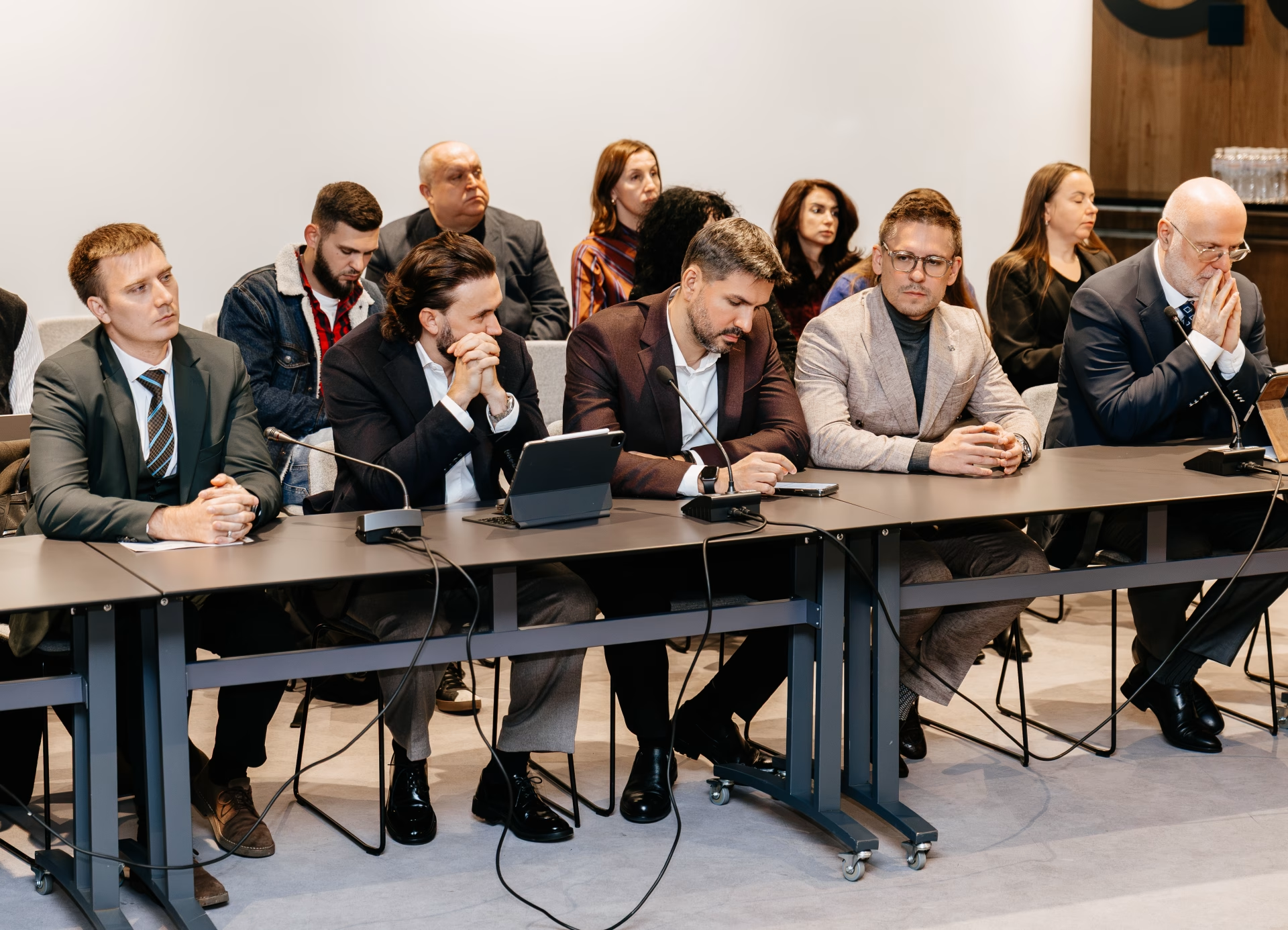
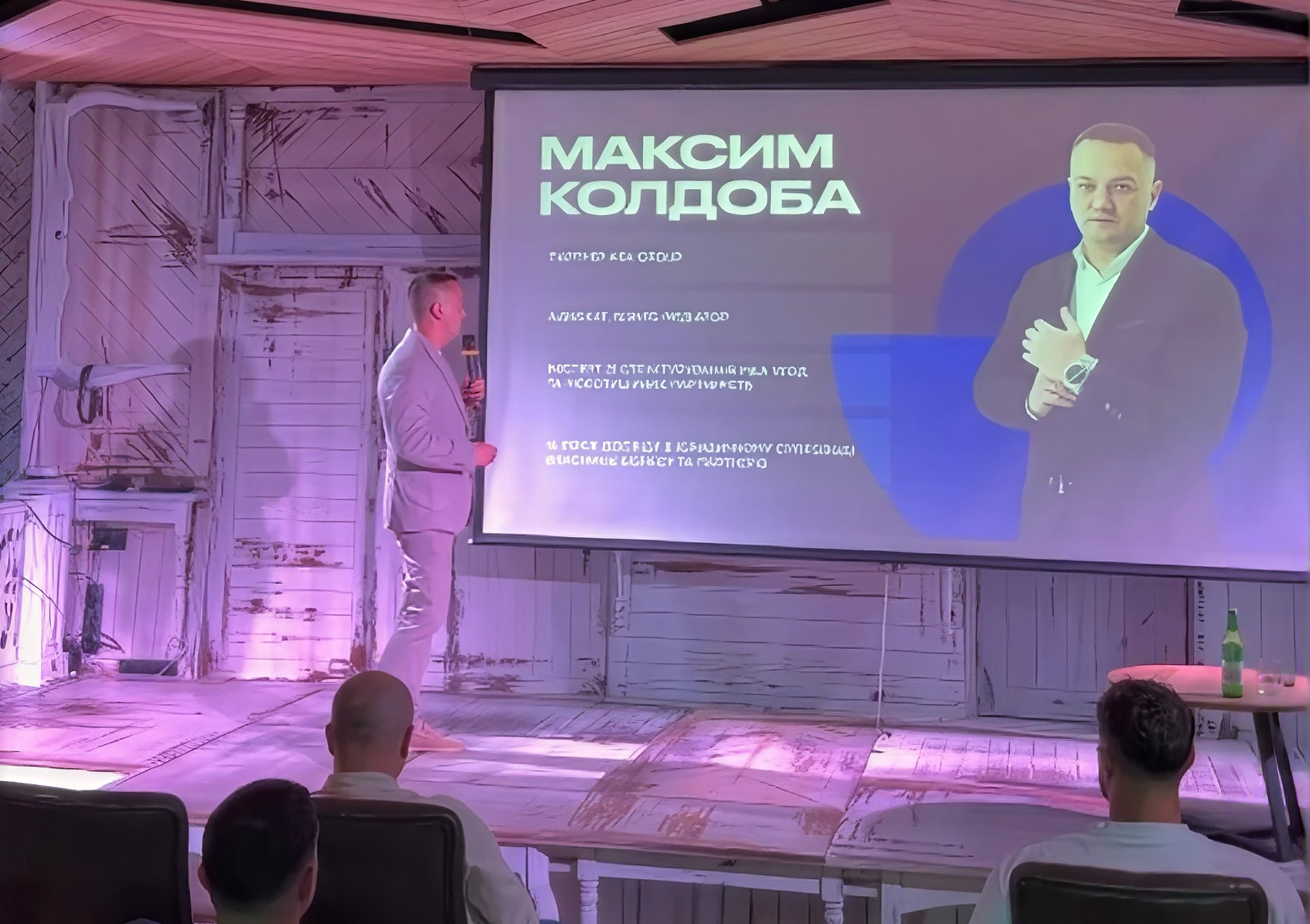
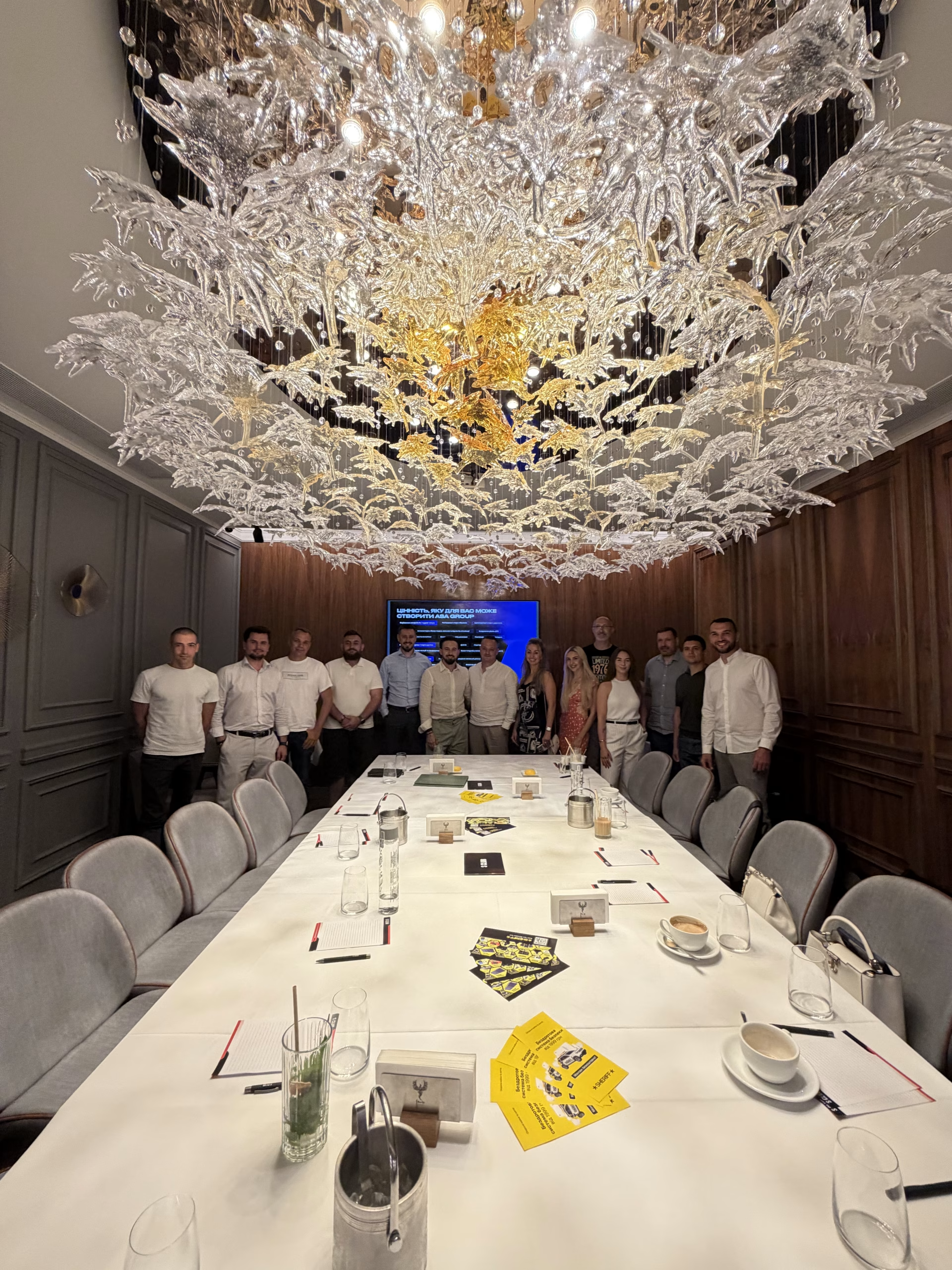
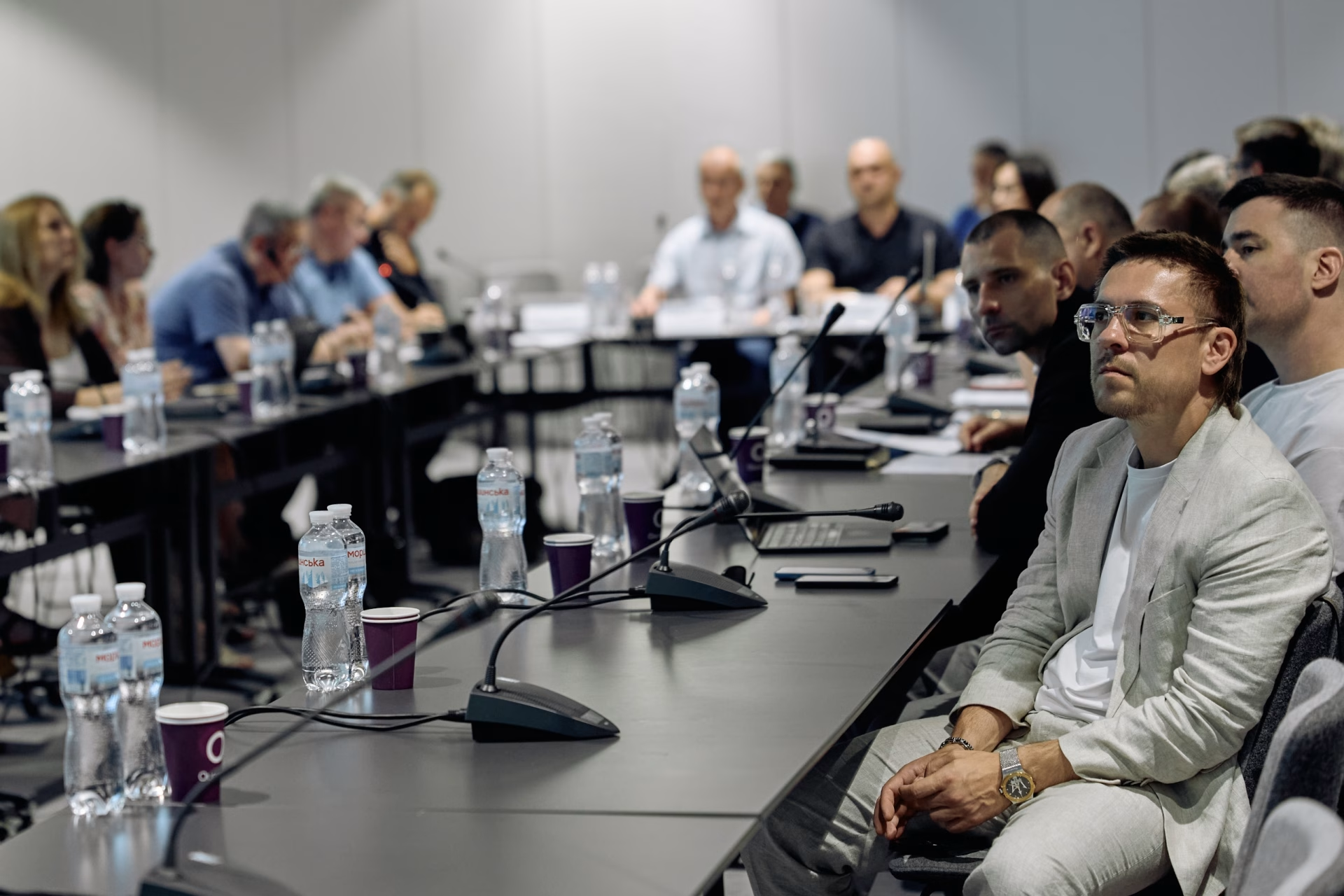
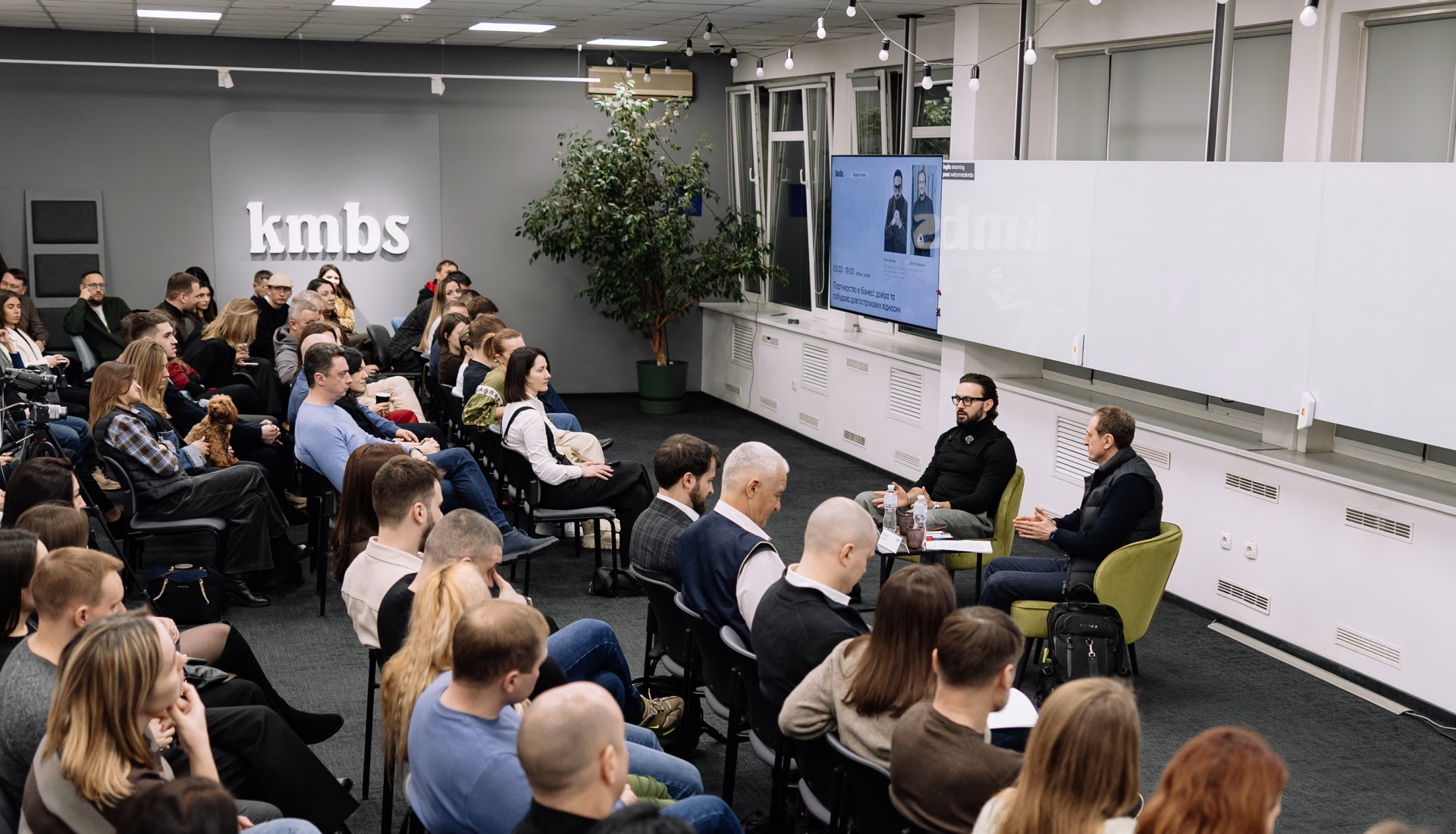
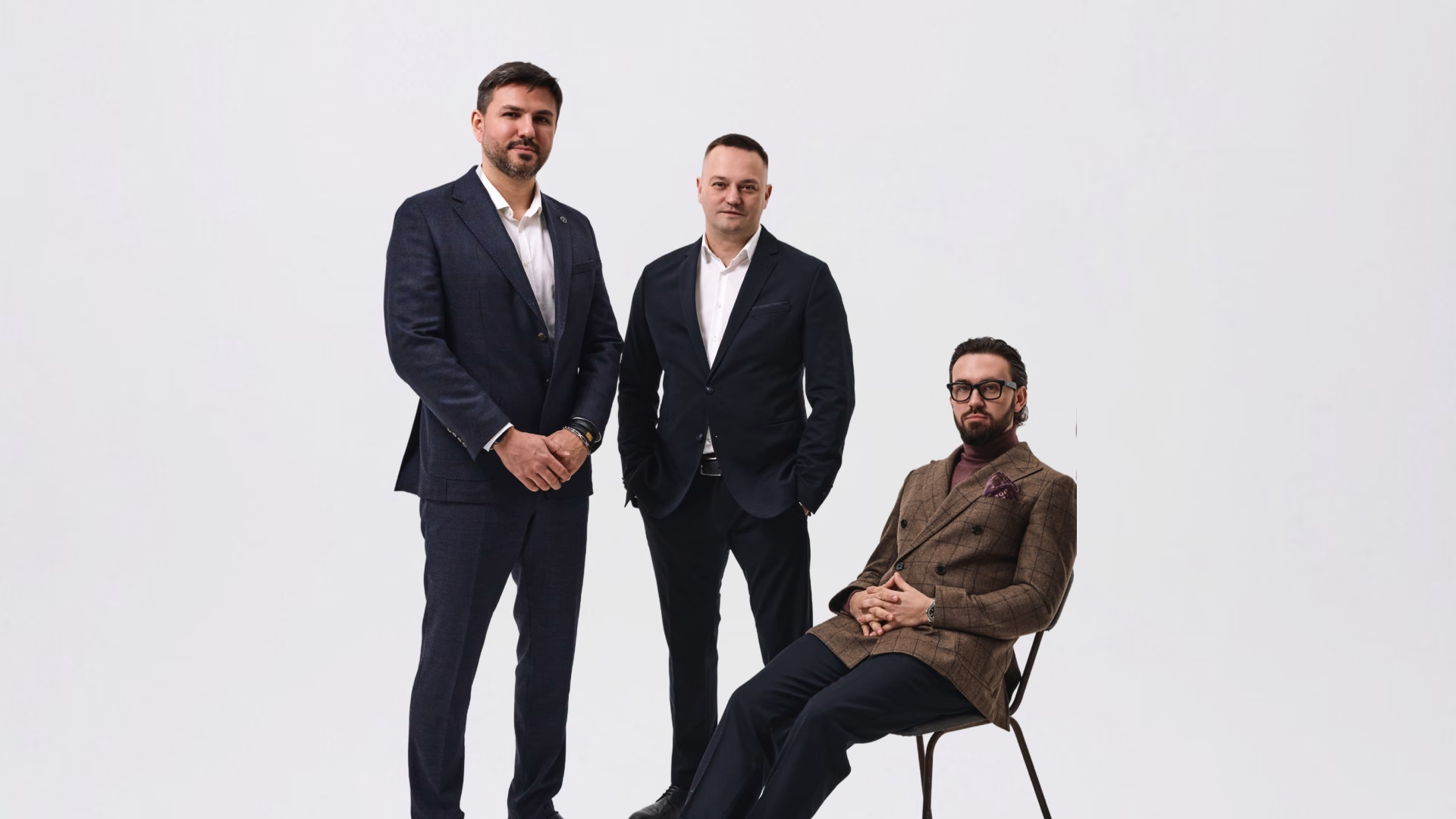
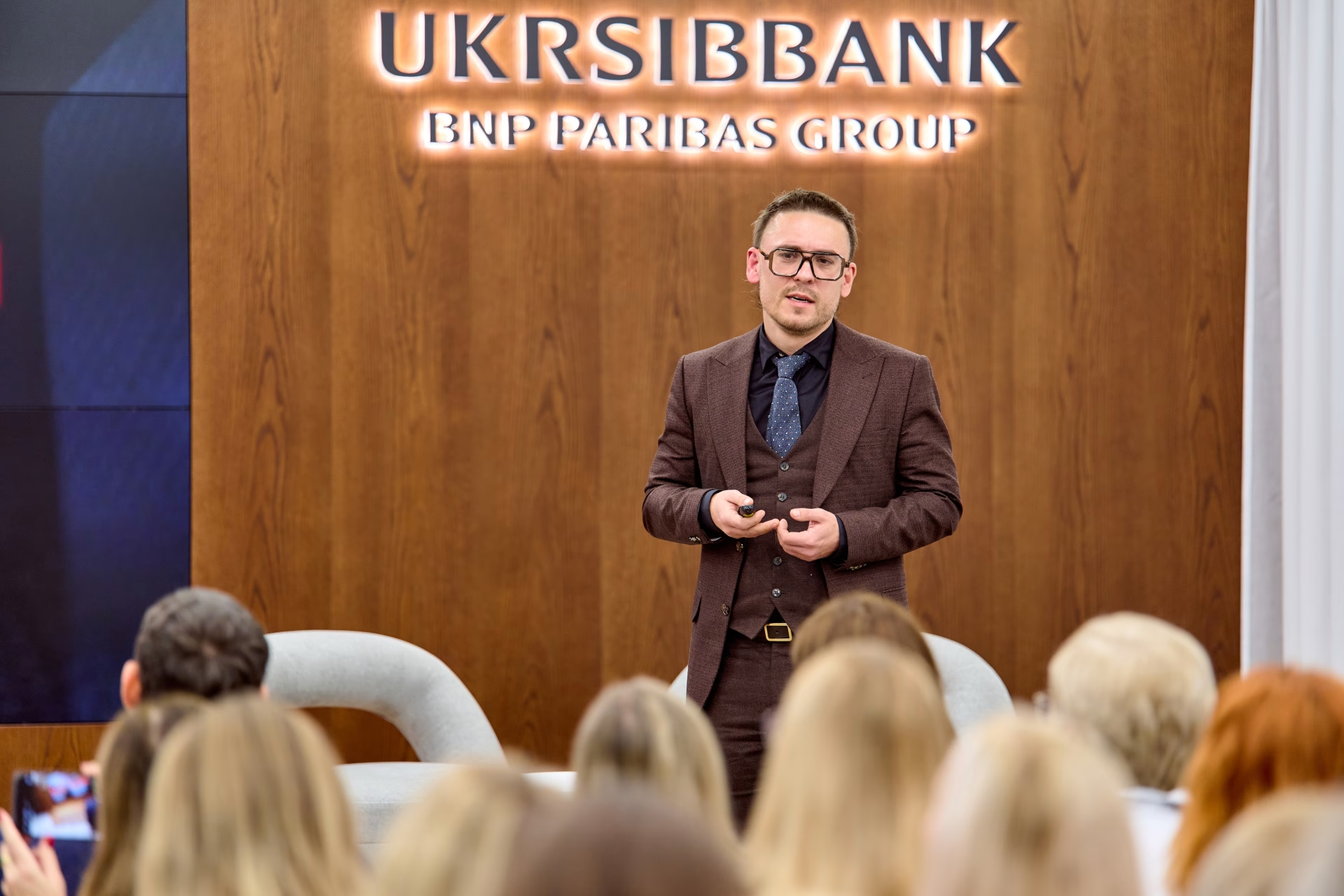
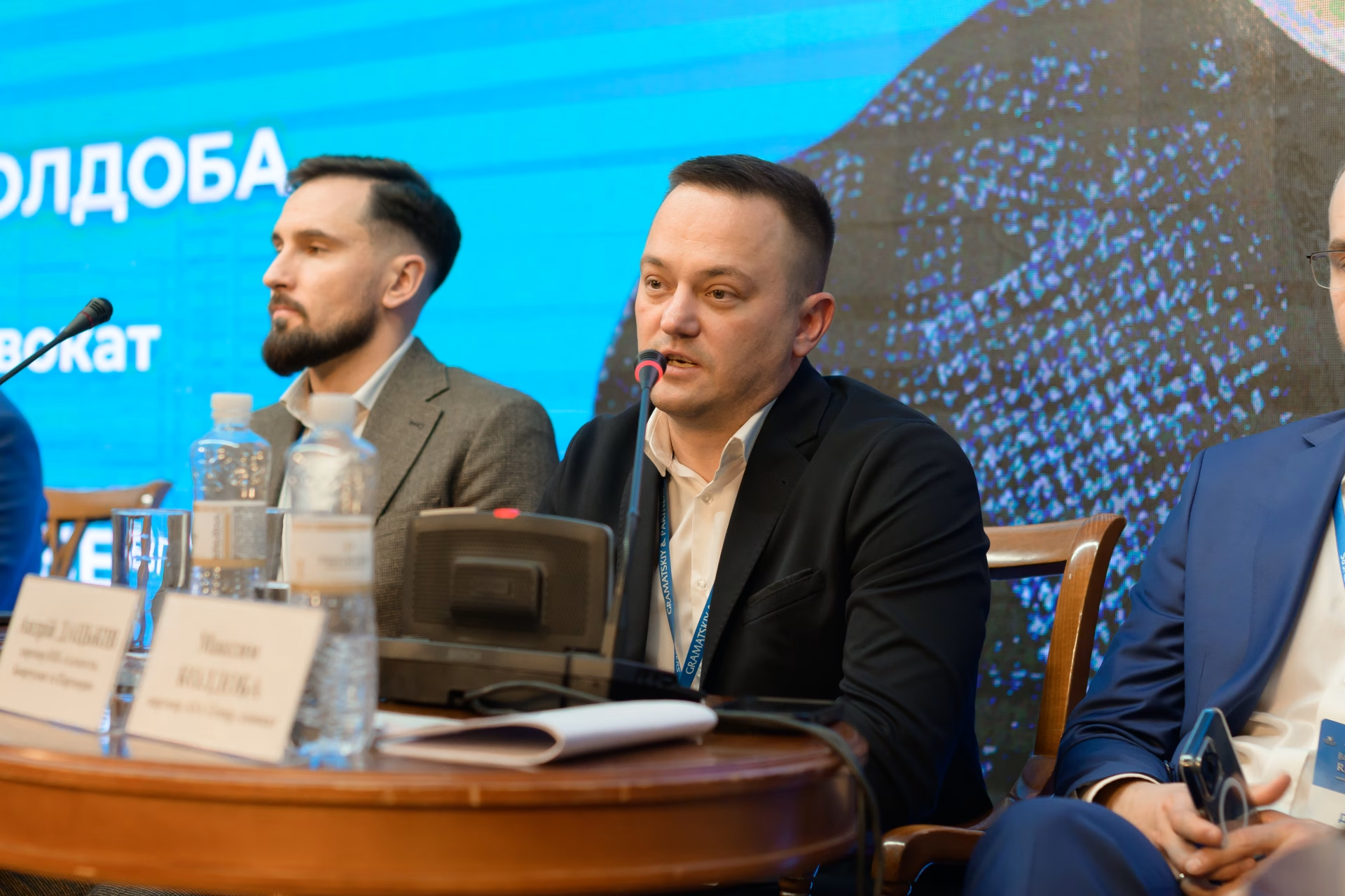
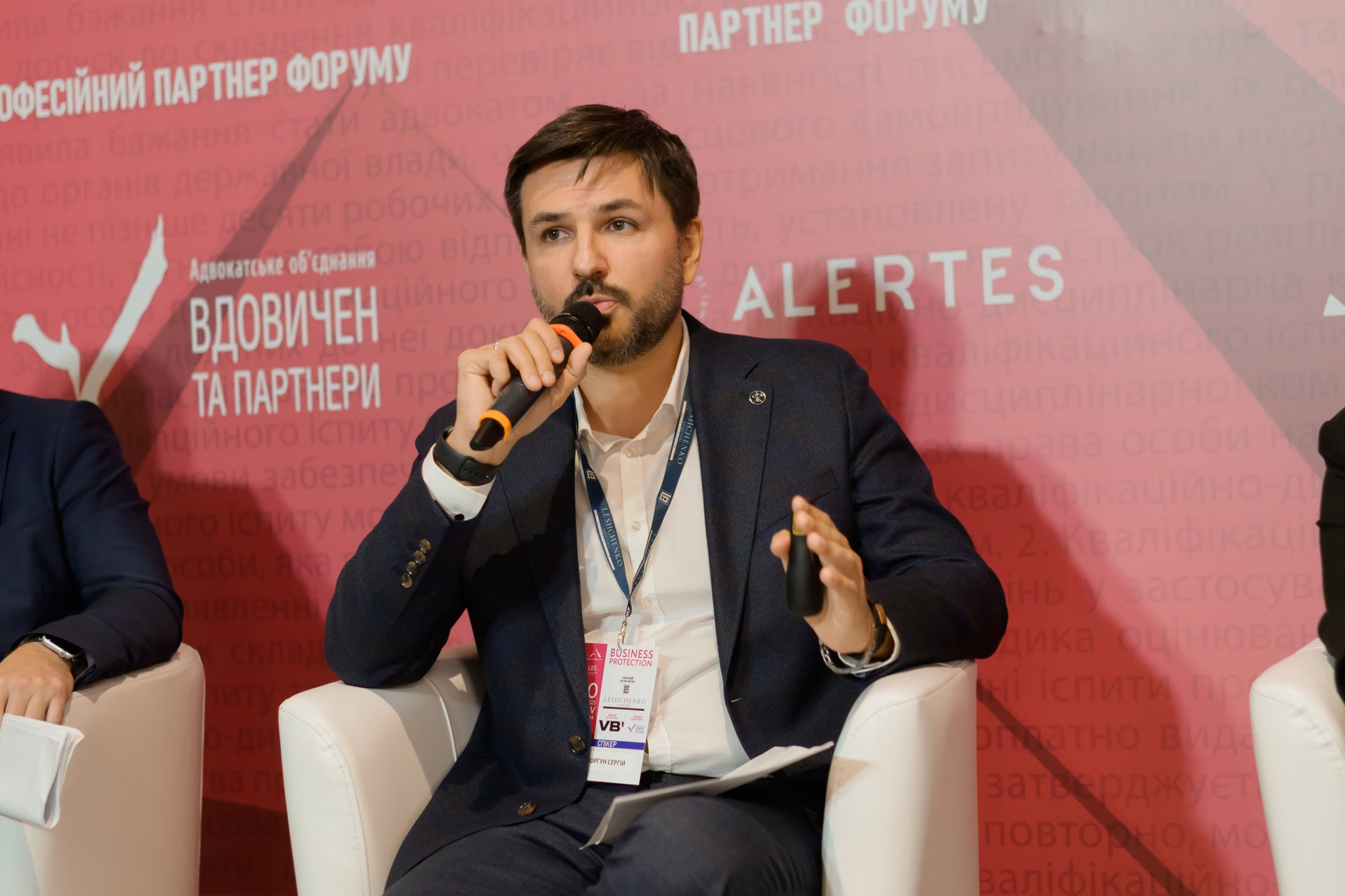
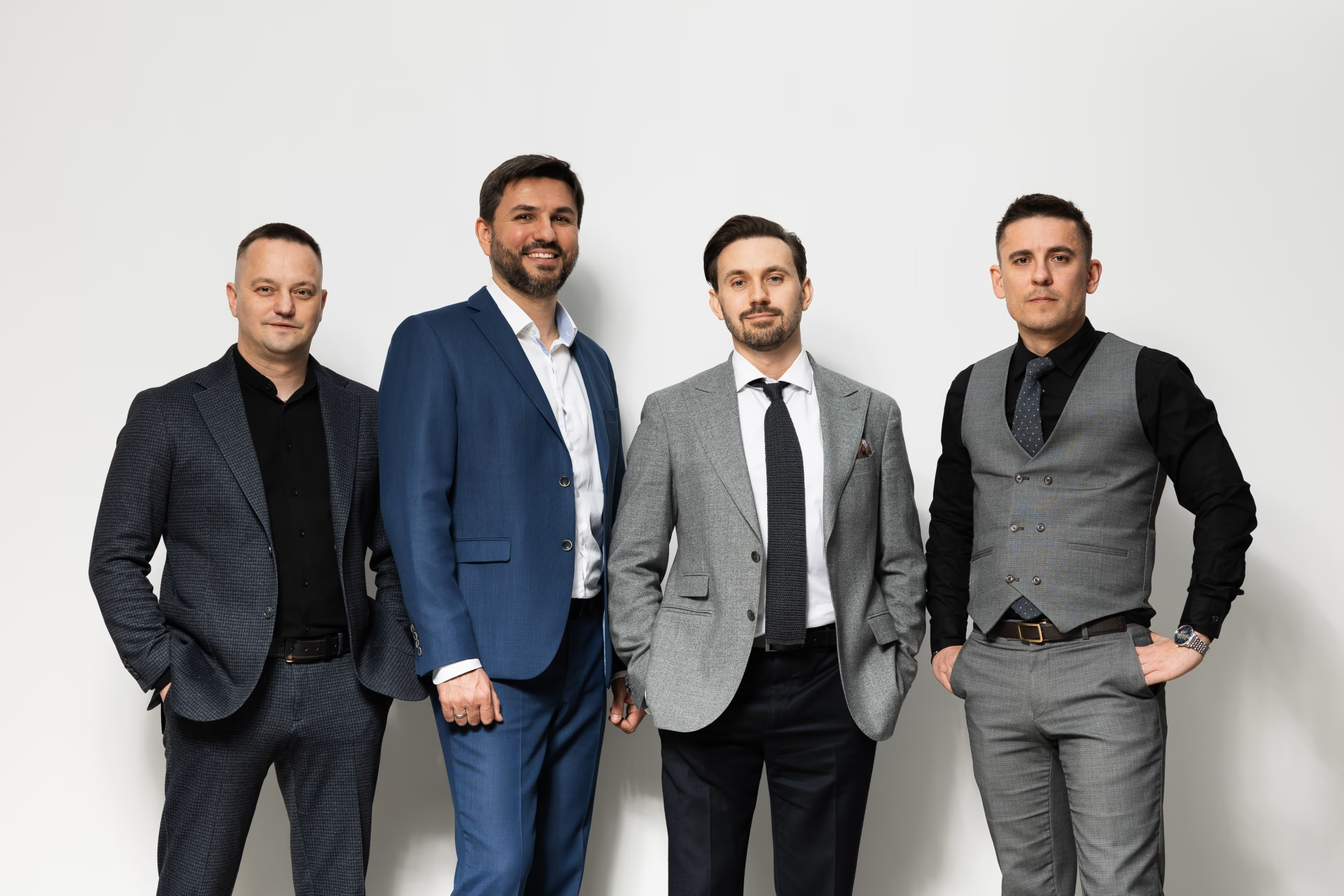
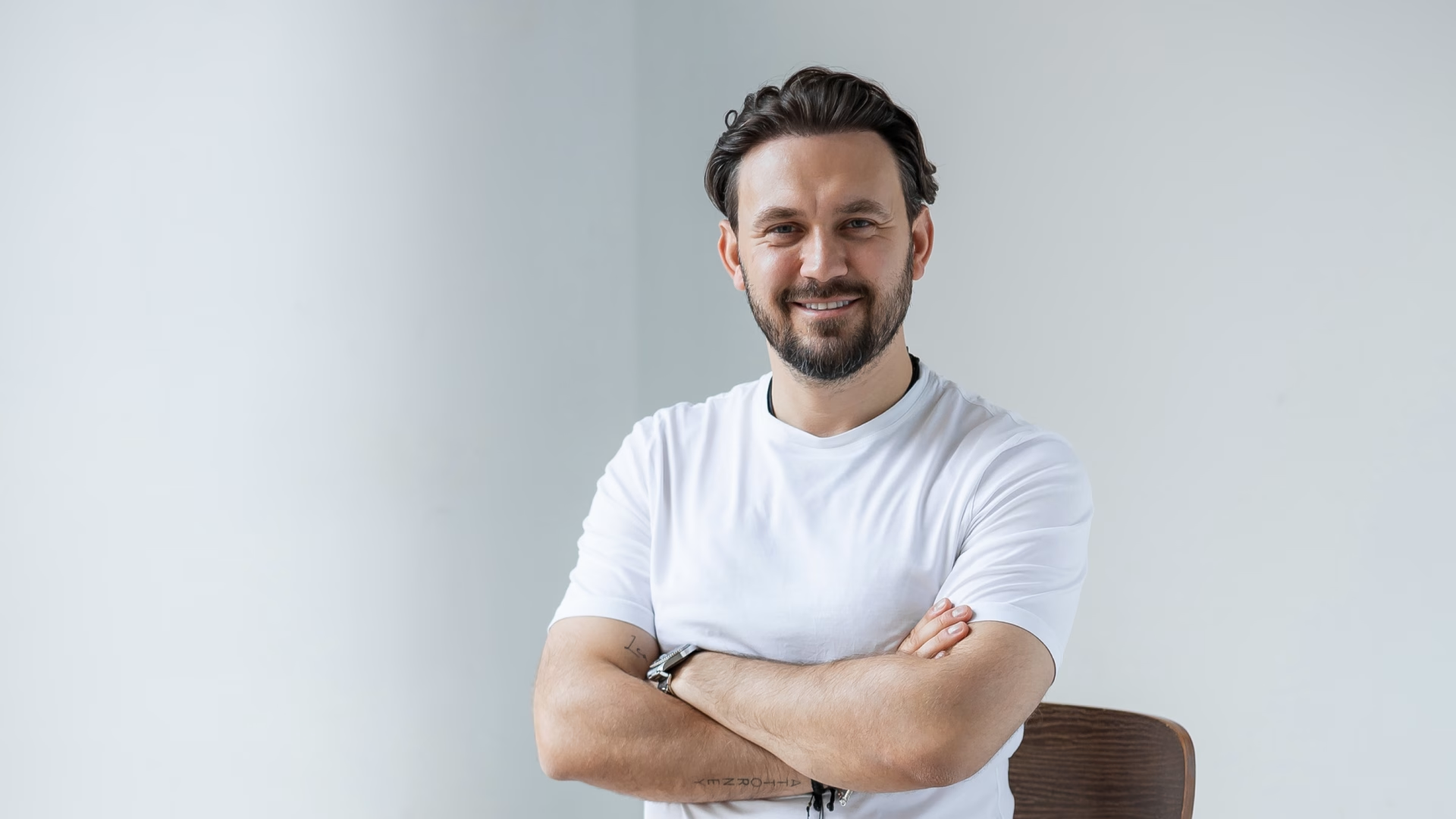
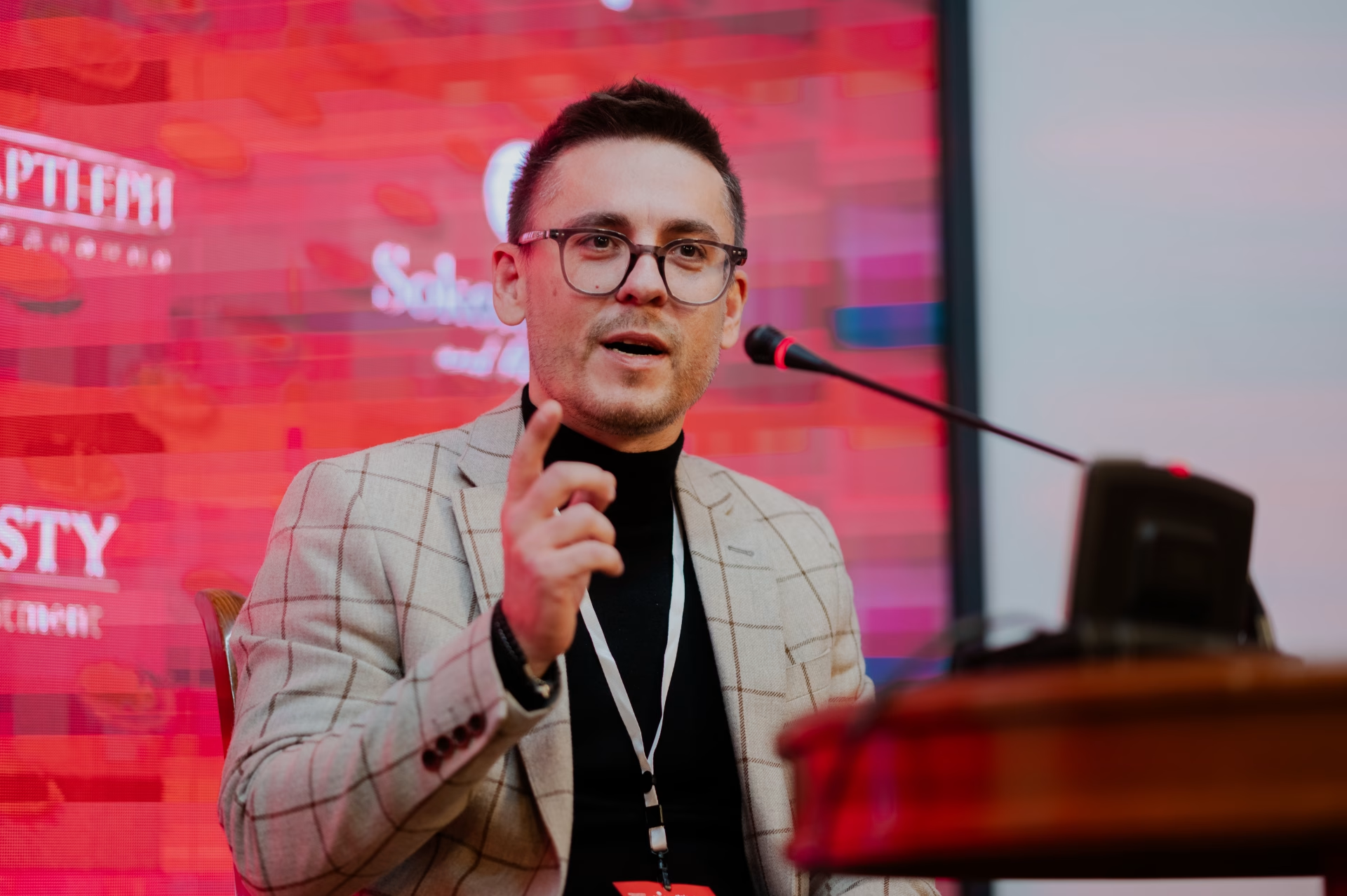
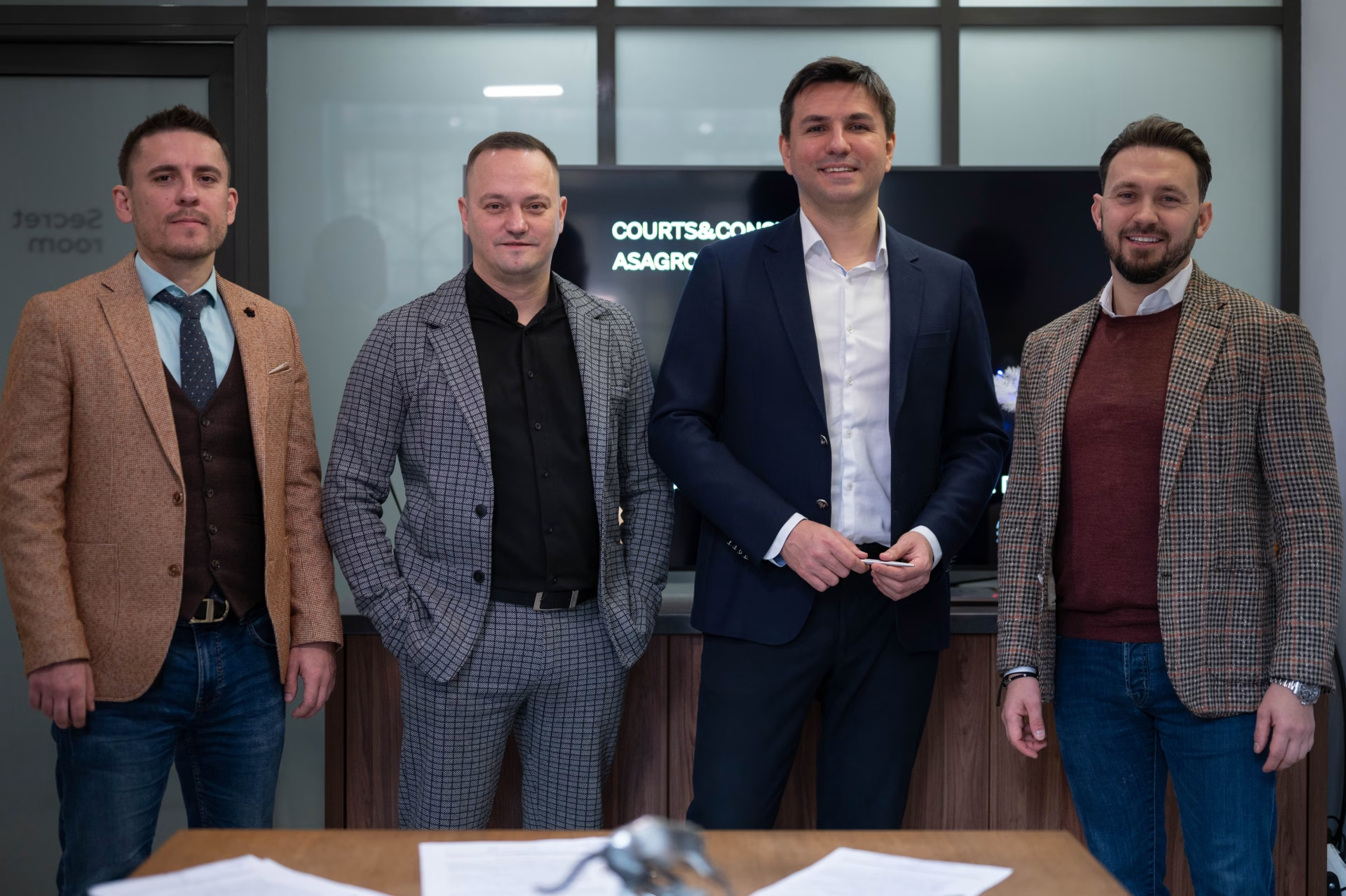
On 30 August, ASA Group Co-Founder and Partner Eugene Artiukhov spoke at a special event as part of Lviv Investment Forum on the topic “One Deal — Two Truths: 10 Questions an Investor and Business Owner Must Resolve in a Business Partnership”.
Eugene began by drawing on his own experience. He shared that when he first entered a business as an investor, he and the founder signed the same agreement but saw it in completely different ways:
“I thought I was investing in a business and gaining the right to influence key decisions. The founder thought he was receiving money to implement his idea and could continue managing as before. Both of us were right. We simply had different truths. When the business did not go according to plan, it became clear that we had never agreed on the most important things: who controls the money, who has the final say, and what happens if there is no result.”

The presentation focused on one of the most common causes of conflict in partner-owned businesses: the parties may be equally committed to the company’s growth, but may see their own roles, risks, goals and even the very meaning of success differently.
For an investor, a company may primarily be an asset: the investor is interested in growth in value, return on capital, liquidity, risk and the ability to exit the investment.
For a founder, the business often means much more — the product, the team, status, mission, a way of life and the right to determine the company’s future. As a result, conflict may arise not so much because the business is bad, but because the parties have different ideas about why it exists.
During the presentation, Eugene set out 10 questions that an owner and an investor should discuss before the partnership becomes a legally formalized agreement:
- what the investor’s actual role in the business will be;
- who will make strategic and operational decisions, and how;
- the future partner’s reputation and the origin of the investment capital;
- whether the founder is also expected to invest their own funds;
- how to value the partners’ various contributions—money, time, expertise, and social capital;
- whether the partners’ equity stakes can change in the future;
- who will finance subsequent stages of business development;
- what happens to the equity stake if the investor fails to contribute the full agreed amount;
- whether the investment entails a return of the invested funds;
- when and under what conditions the investor can exit the business.

A separate part of the presentation was devoted to the fact that a partnership should not be treated as a structure fixed once and for all. A business changes, and with it the partners’ contributions, the need for additional capital, their roles in the company and the fair balance of ownership stakes may also change. It is therefore important to define in advance not only the initial arrangements, but also the mechanisms for revisiting them.
Likewise, according to Eugene Artiukhov, it is not enough simply to agree on percentages in the company. The partners need to define which decisions require joint consent, where the founder’s operational freedom ends, what happens if additional capitalization is required, and what rules will apply if one of the co-owners exits.
In closing, Eugene presented the “pyramid of conscious partnership”. Its foundation is self-knowledge: your own goals, strengths, areas for development and expectations of a partner. The next level is understanding the partner and their motivation. Then come agreement on business terms and rules of interaction. Only after that comes the legal contract, which records the arrangements that have been reached.
“A good partnership agreement begins, first and foremost, with a conversation about who we are, what each of us wants, and the rules under which we are prepared to play together,” Eugene Artiukhov concluded.
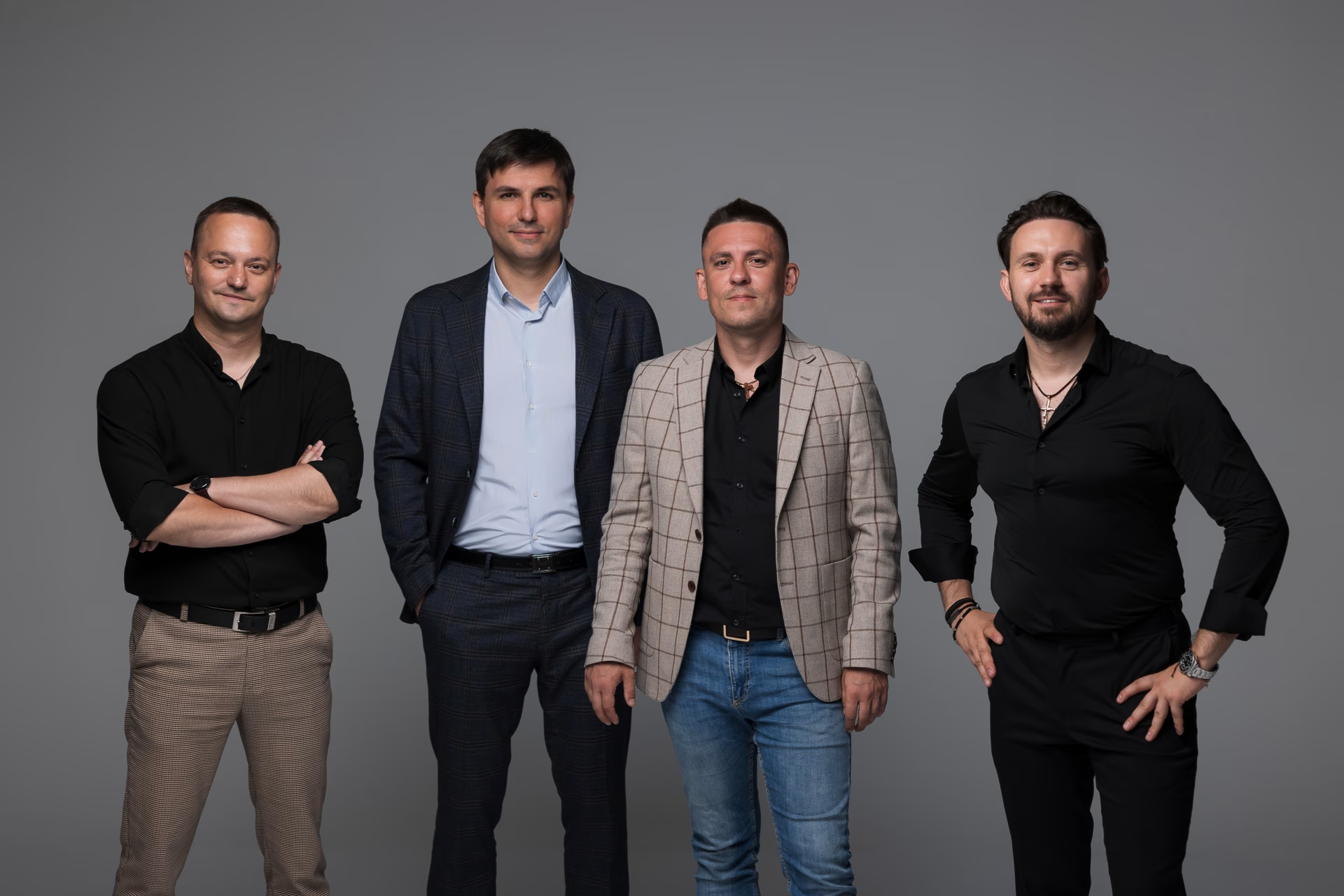
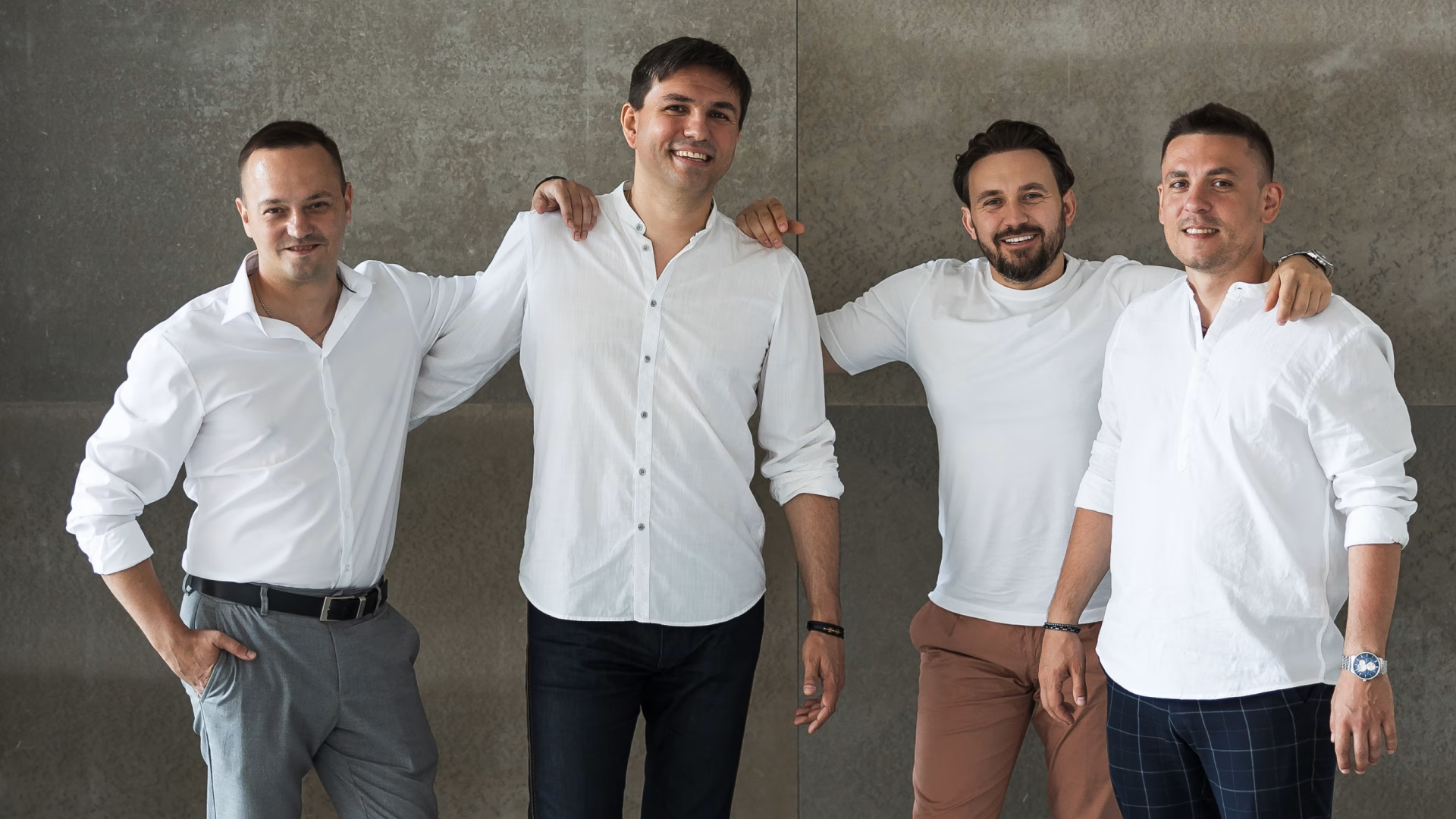
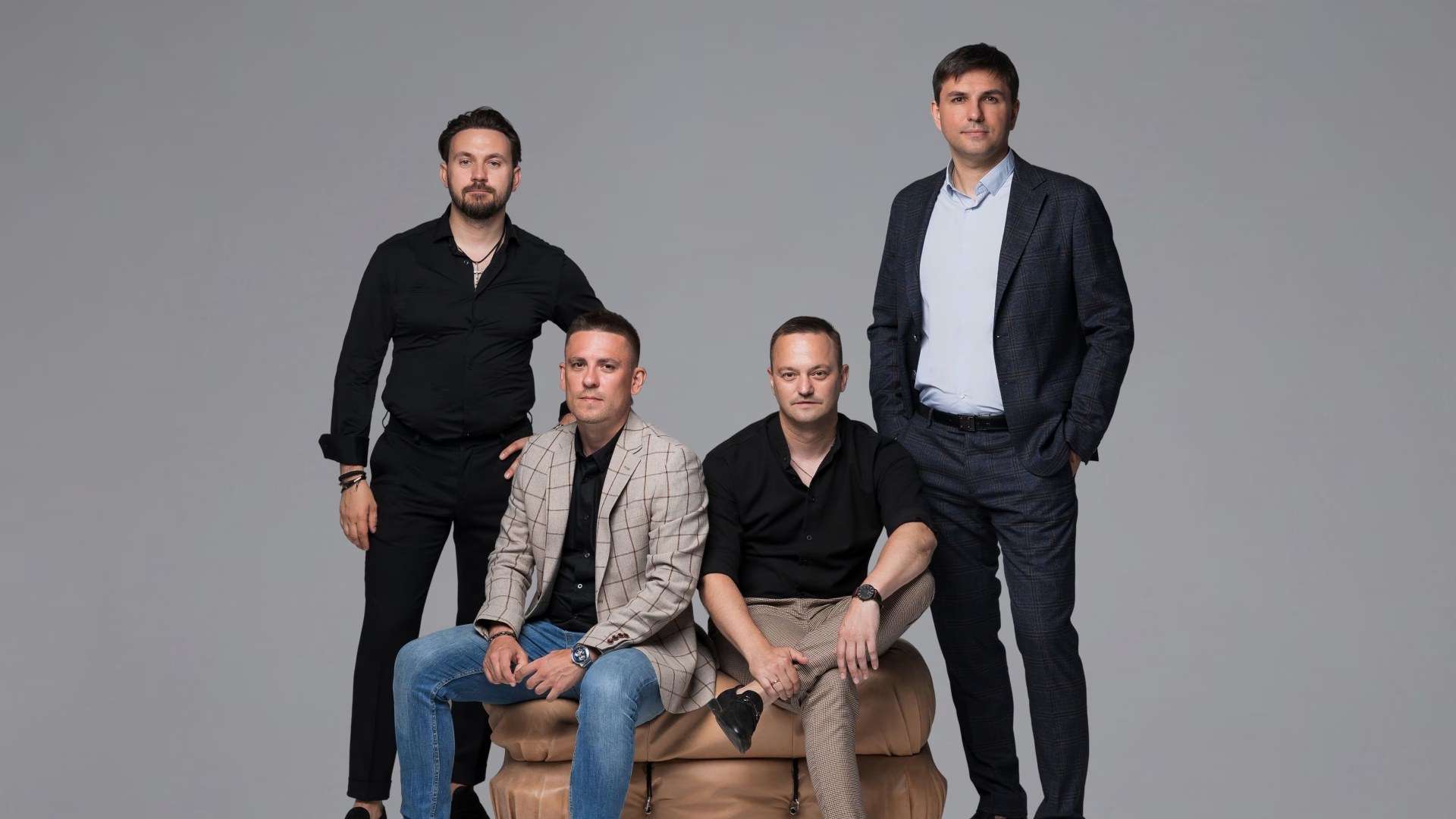
Eugene Artiukhov and the ASA team work on structuring business partnerships, strategic sessions and conflicts between co-owners. The team’s experience includes more than 550 cases involving partner-owned businesses.
READ OTHER NEWS
We share news about ASA Group’s team achievements, professional development, rankings and accolades, speaking engagements, and new partnerships.