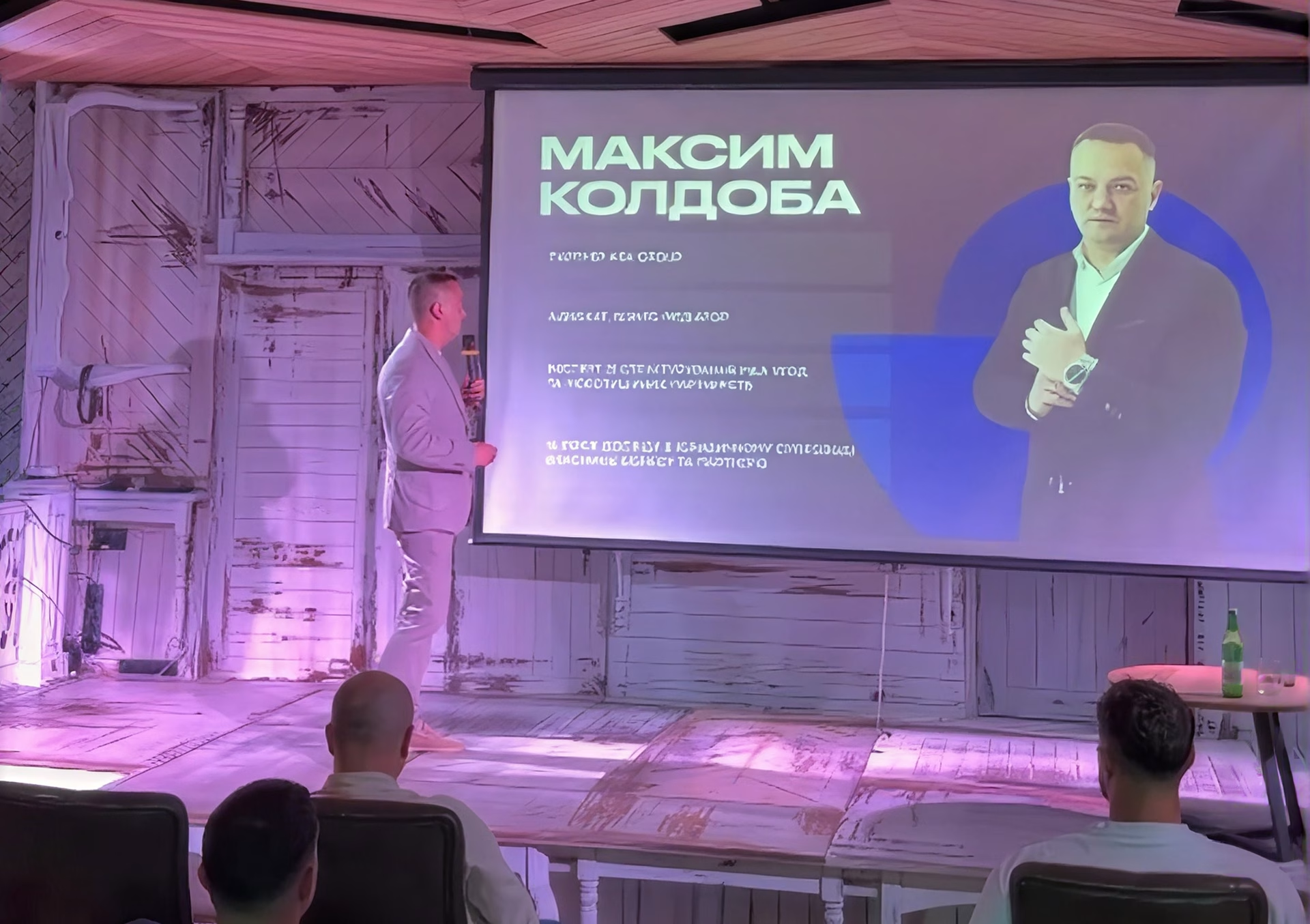
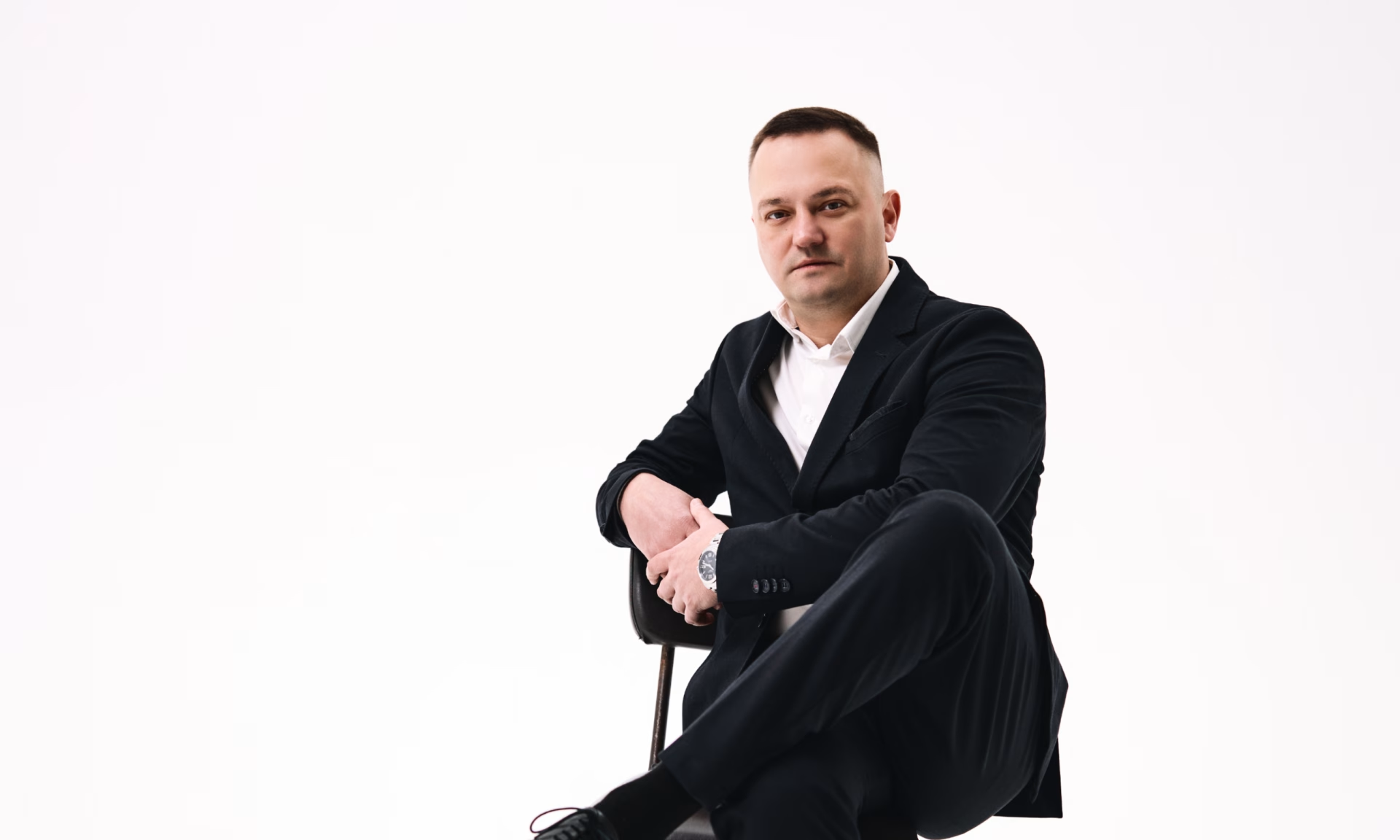
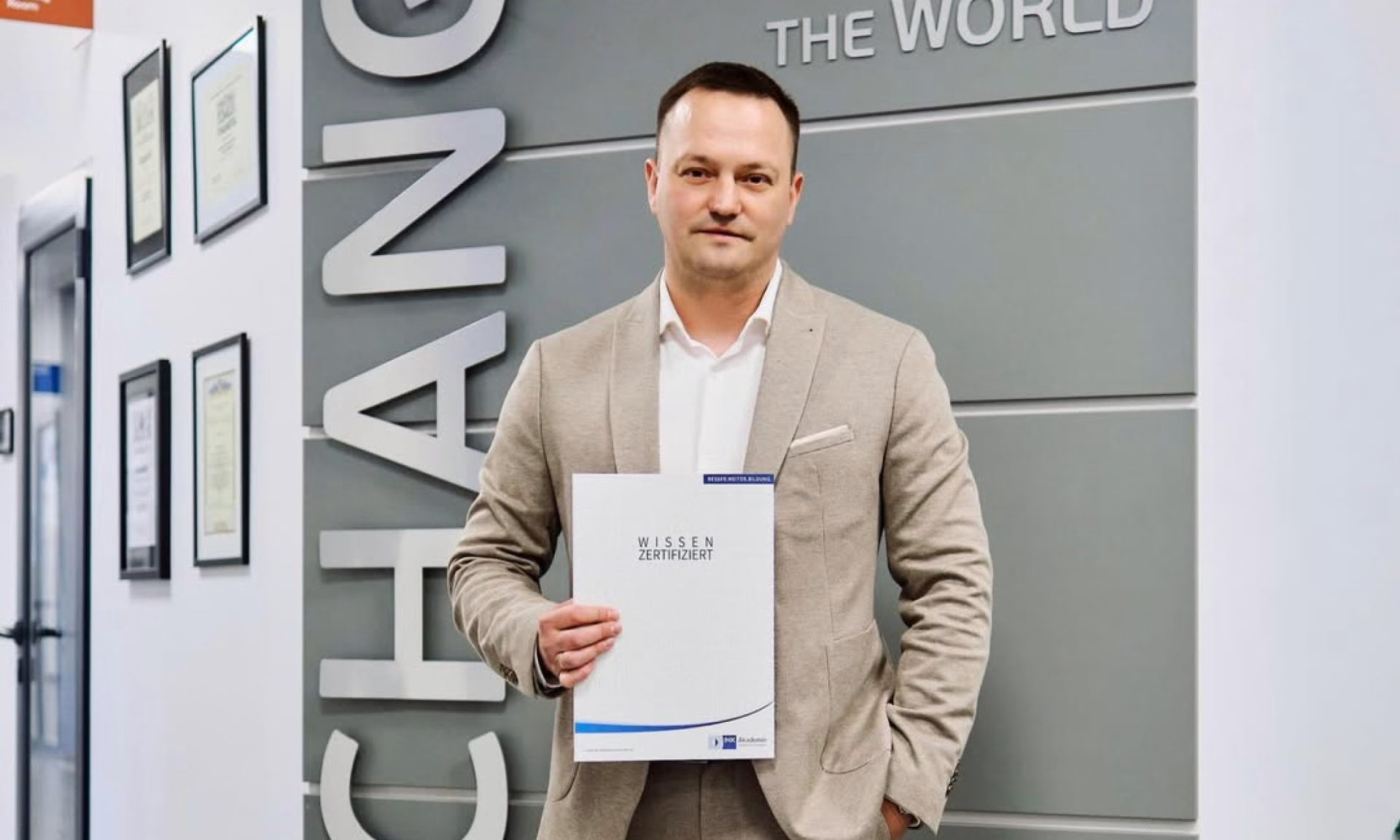
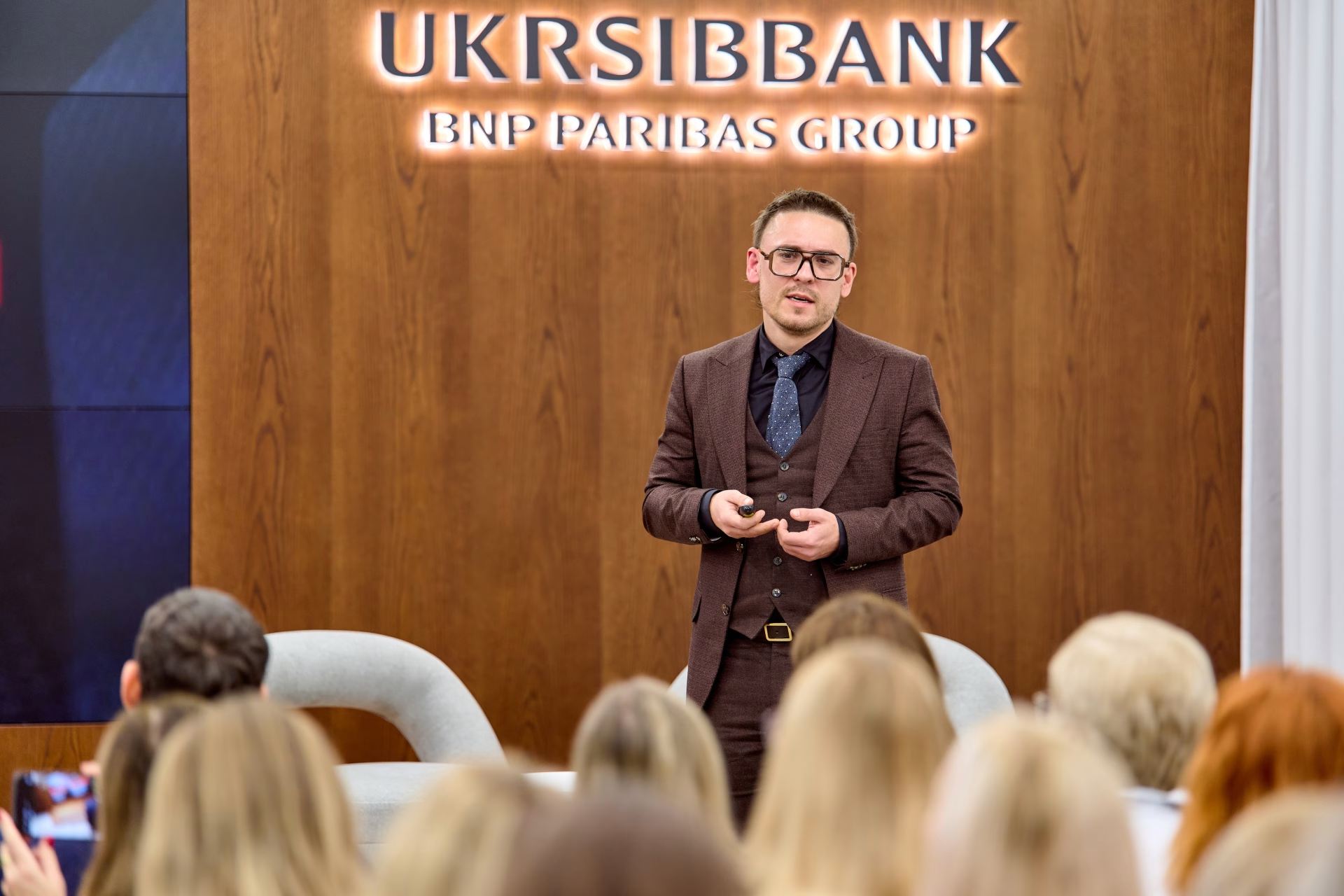
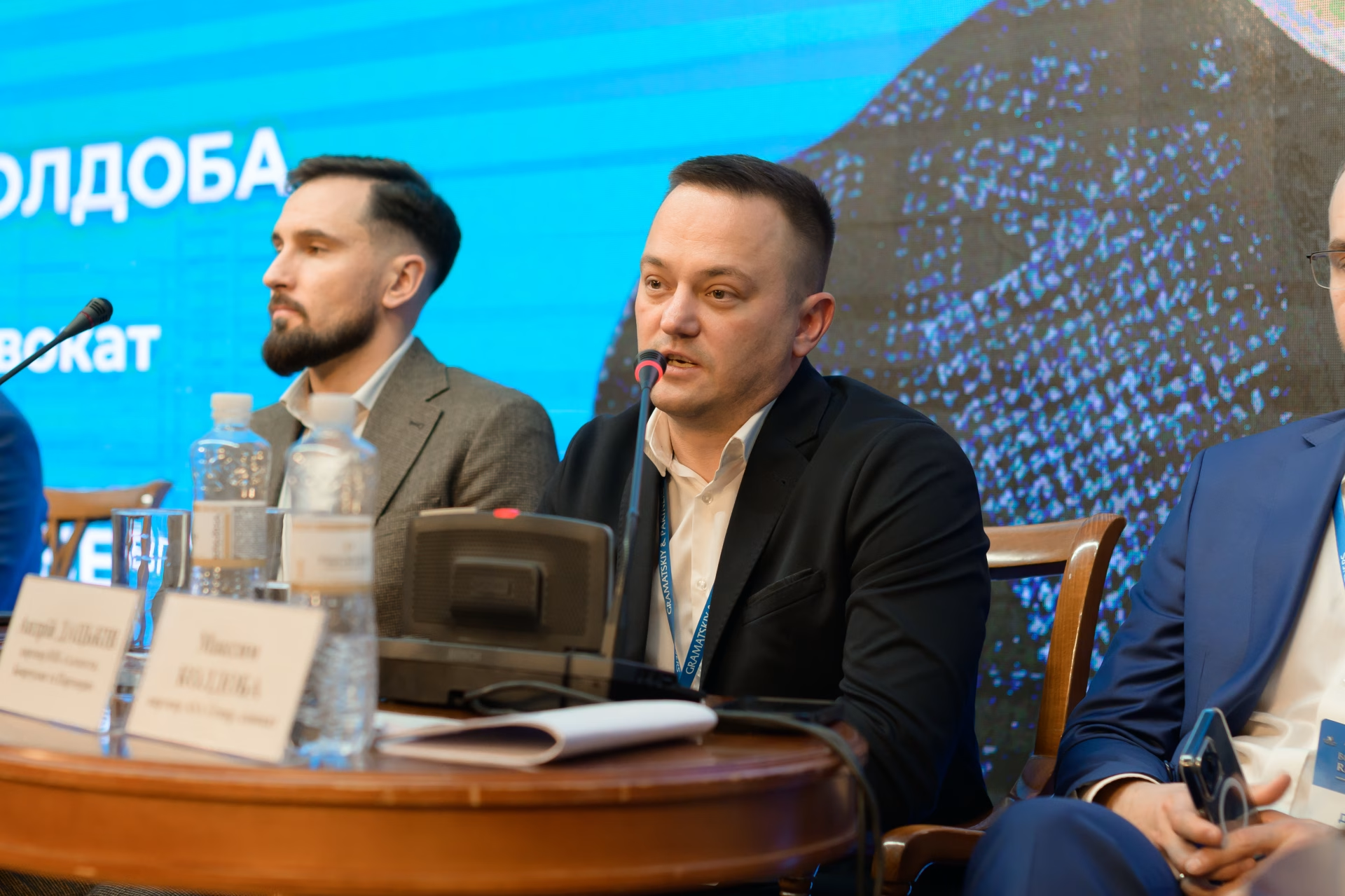
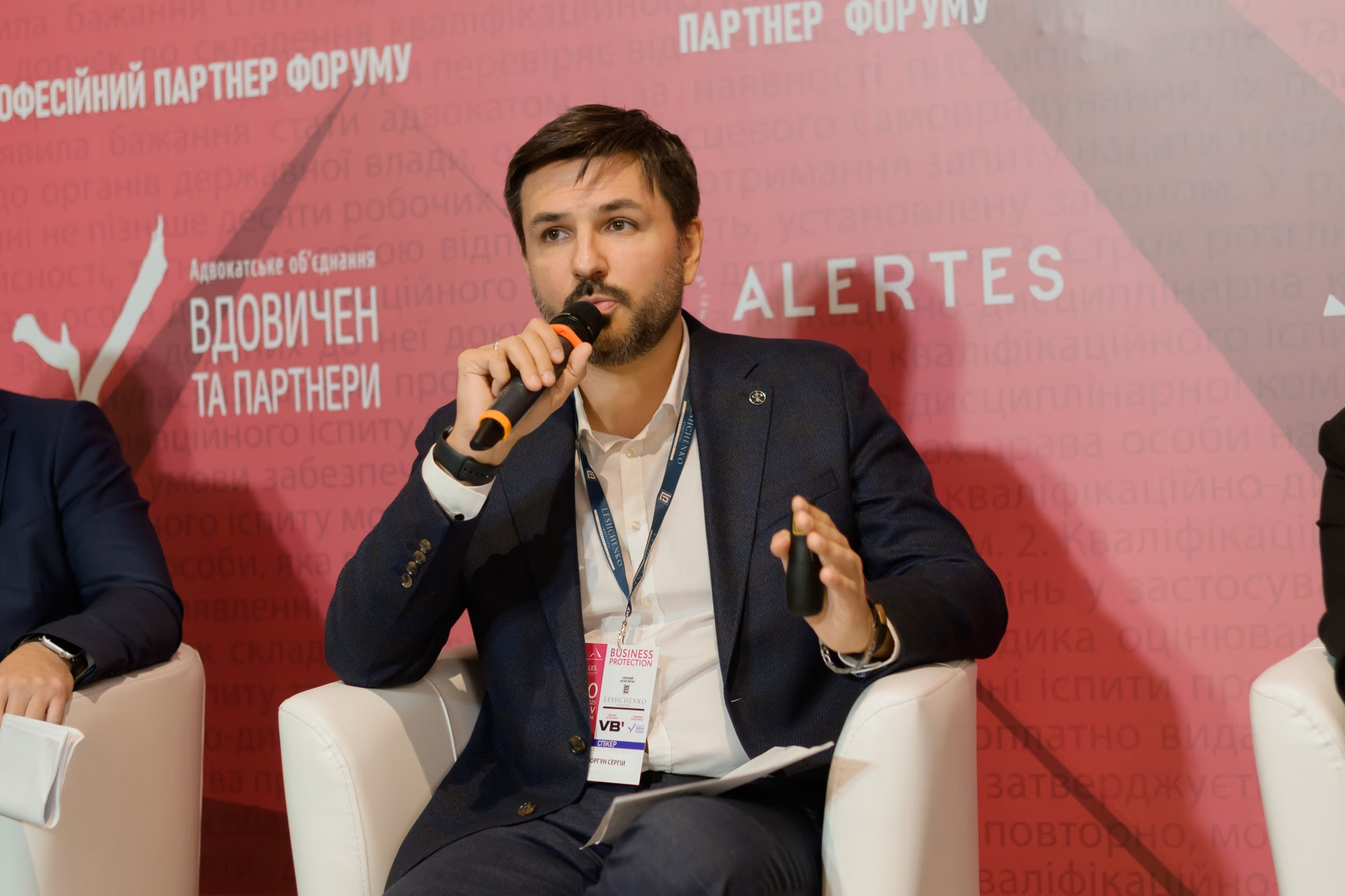
During the open event “Partnership in Business: Trust and Building Long-Term Relationships”, Serhii Nozdrachov, lecturer at kmbs, and Eugene Artiukhov, PhD, attorney, business mediator, Partner at ASA Group and Co-Founder of Club10, explored the key aspects of effective partnership.
The discussion covered:
- What is a partnership?
- What are the prerequisites for a partnership?
- How should a partner be selected, including alignment of values, competencies and the scale of managerial thinking?
- How should roles, areas of responsibility and expectations be defined at the outset to create the conditions for resilient cooperation?
The most important points about partnership:
Eugene Artiukhov: Partnership is not about a contract or legal formalization. Partnership is a relationship at the intersection of psychological factors, interpersonal interaction and business arrangements.
According to Harvard Business Review, family-owned partnership businesses generate up to 73% of global gross domestic product (GDP). Yet in Ukraine, by various estimates, the absolute majority of partnership projects do not survive beyond one year. Partnership is often used as an attempt to compensate for insecurity and fear, but those very factors become reasons why the relationship is short-lived.
Serhii Nozdrachov: My experience working in China taught me that it is important not only to have a contract, but also to understand the logic behind it. One Chinese partner told me that a contract is not simply a piece of paper, but an important stage of the agreement that creates the foundation for the future relationship. There is, however, a difference between Western and Eastern approaches: in the West, contracts are often viewed as a guarantee of performance, while in the East they are viewed as a tool for recording agreements. This was the first important lesson about partnerships that I learned.
The second lesson is that it is impossible to agree on everything “before setting out”. What can be agreed in advance is how we will renegotiate “along the way” — in other words, the principles we will use to revise our arrangements while working together. This makes cooperation more flexible and better able to adapt to change.
The third important insight concerns the nature of relationships in partnership and in love. I used to think these were completely different spheres. In reality, their nature, the tools used and the practices for working with them are identical.
Understanding how to build relationships is the foundation for knowing how to build partnerships.
A culture of conscious partnership
Eugene Artiukhov: Our firm’s mission is to promote a culture of conscious partnership in which the best outcomes can emerge. If we imagine a pyramid of conscious partnership, its foundation is knowledge about yourself.
Who am I? What do I want from this business? What are my goals? What are my strengths and weaknesses? What complementary value do I need from my partner? Where are my areas for growth?
The next level is knowledge about the partner. Who is my partner? What do they want? What values guide them? Where do we align? Where do we differ? Which differences are critical and which are not?
The third level is business arrangements. Only after that comes the contract, if one is needed. The process of developing a contract and working through all these discussions gives us experience in understanding how our partner perceives reality and how that reality aligns with our own.
What is the foundation of partnership?
Serhii Nozdrachov: Written agreements are an essential element of any partnership.
A contract, agreements and relationships are like wings: if one of them is missing, you cannot take off.
Eugene Artiukhov:
The foundation of partnership is having a clear answer to why you need a partnership.
Partnership is an exceptional form of doing business. Therefore, when you see the prospect of a strong alliance, you need to answer several questions for yourself: Why do I need this partner? Can I manage without them? Can the value I expect to receive from them be obtained in another way, for example through mentoring or business clubs? How closely aligned are we in the way we see the goals of our project? Do I need this partner’s resources at this particular stage of the company?
If the answer to all of these questions is “no”, then we can potentially consider a partnership.
Serhii Nozdrachov: Equity partnership should be the very last option to consider. It should be entered into only in exceptional cases.
Ideally, you should enter a partnership in the same way you enter a relationship. Research suggests that happy marriages are created by people who were already happy before marriage. When two unhappy people meet and form a couple in the hope that the new relationship will make them happy, it does not work. The same applies to partnership. Partnership necessarily involves interdependence. The valuable situation is when each partner is capable of doing something independently, but together you can achieve far more. That is the first strong model of partnership — one that neither party benefits from leaving.
The second model is where you cannot succeed without each other and your cooperation is the only path to success.
Eugene Artiukhov: Partnership is often seen as a way to make starting a business easier. That is why managers tend to bring into partnerships people from adjacent contexts: relatives, friends or former employees. In reality, partnership is absolutely not about making things “easier”.
Partnership is about the ability to create a larger system together than either partner could build alone.
Sometimes partnership is a way to move more slowly, but go further.
Serhii Nozdrachov: Partnership is an opportunity to multiply capabilities.
What if one partner thinks on a much larger scale than the other?
Eugene Artiukhov: Such partnerships are possible provided that the partners understand:
– What do we know about one another;
– What is each person’s organic role;
– What are our real ambitions.
We need to be able to communicate with one another.
There must be a space of trust where we can openly discuss who performs which role in the partnership.
Richard Hytner, former Deputy Chairman of Saatchi & Saatchi, explores in his book “Consiglieri: Leading from the Shadows” the idea that partnerships contain two roles — a “number one” and a “number two”. Both need to understand the scale of their ambitions. If one partner thinks on a smaller scale, the other partner accepts that they may need to support them for as long as that remains comfortable and acceptable.
When we try to force ourselves into roles that are not organic to us, our perception of reality begins to distort. We lose openness and sincerity.
We live in a world dominated by a cult of achievement and enormous scale. When we are in business, there is constant pressure to do something grand. Yet it is important to remember that successful partnership is based on honesty, openness and mutual understanding, not on forced roles or artificial scaling.
Serhii Nozdrachov:
There must be a shared vision, as well as understanding and respect for each person’s authentic role and strengths.
If one person has a larger scale of ambition, that needs to be reflected in the vision. It is important to value one another and, where necessary, adapt.
Can partnerships be effective when the partners have different values?
Serhii Nozdrachov: No. Values are what must unite the partners.
According to Gallup research on the most successful partnerships, the most important factor is complementary strengths — the ability of different strengths to reinforce one another.
Partners should be different personalities, but they should share common values and a common mission.
READ OTHER NEWS
We share news about ASA Group’s team achievements, professional development, rankings and accolades, speaking engagements, and new partnerships.